Food production factories operate under far stricter hygiene expectations than many other industrial environments. Manufacturing plants and biochemical facilities each require specialist cleaning procedures; however, food production sites face the unique challenge of protecting products that are directly consumed by the public. Even a minor lapse in the level of cleanliness can lead to contamination risks, which can lead to product recalls that, if not caught swiftly, could cause serious health problems.
There are many different types of food production factories, each with their own requirements that will change how factory floor cleaning services are delivered. Bakeries, dairy processing plants, meat and poultry facilities, ready meal manufacturers, beverage production sites, and confectionery factories all operate differently and with varying intricacies. Some handle raw ingredients that carry bacteria risks; others work with powders, oils, sugars or allergens that can spread rapidly throughout machinery and surfaces if they’re not properly regulated. The type of product being manufactured heavily influences the cleaning standards and techniques required, so a typical cleaning company that does not offer bespoke services may not be up to the task.
Food factories differ significantly from standard manufacturing plants. In many industrial facilities, bespoke factory cleaning may focus primarily on maintaining equipment performance, reducing dust build-up or ensuring safe working conditions. Food production environments require continuous attention to hygiene and contamination prevention. Machinery and production lines must often be sanitised to food-safe standards – if not, they can contribute to staff hygiene risks and cross-contamination, which tends to be more critical of a problem than in general industrial settings.
Compared to biochemical plants, food production facilities may not always handle hazardous chemicals to the same extent, but they often demand more frequent cleaning cycles and stricter sanitisation routines. Certain food factories also need allergen management procedures to prevent trace contamination between production runs. This can involve specialist cleaning methods and verification checks before equipment can safely be used again.
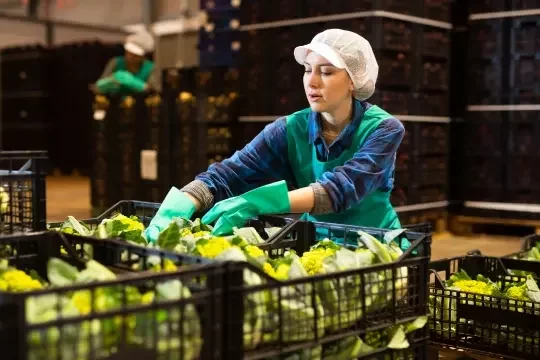
Different sectors within food production require different approaches to factory cleaning services. Meat processing facilities often need intensive deep cleaning and disinfecting to control bacteria such as salmonella or listeria. Dairy plants may require sanitisation methods designed to prevent residue build-up in pipes and tanks. Bakeries and flour-processing sites need careful dust control, while beverage facilities may require regular cleaning of bottling and filling systems to maintain hygiene and product quality.
A professional factory cleaning company such as JCD Cleaning understand these differences and adapt their services accordingly. Rather than relying solely on in-house staff who will already be focused on production demands, specialist cleaning teams use the correct equipment for the procedures needed to maintain compliance and hygiene standards.
Investing in professional factory cleaning services helps food manufacturers reduce contamination risks and create a safer environment for everyone involved, from operators in the beginning stages to the end consumer. In an industry where cleanliness directly impacts public health and business reputation, expert cleaning support is essential.
